- Qualification is driven primarily by property cash flow rather than a consumer-income script
- Eligible cash-out refinances may reach up to 80% LTV
- Select eligible business-purpose programs may allow the borrower to nominate a qualified appraiser, subject to lender approval and valuation-independence requirements
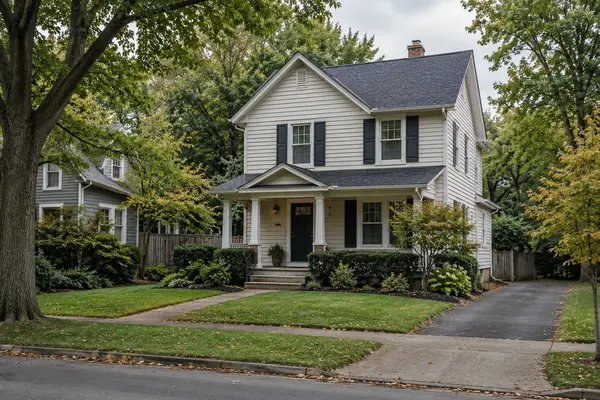
- Residential DSCR treatment generally applies to eligible non-owner-occupied 1–4 unit properties
- SFH, condos, townhomes, and 2–4 units are common; 5+ units route to commercial multifamily or small-balance rental programs
- Entity vesting, interest-only, and multiple prepayment structures may be available
- Rent, payment, reserves, seasoning, credit, value, state, and property eligibility control execution
Brad's program desk
See the range.
Then structure the fit.
These are useful market starting points—not bait-and-switch quotes. Brad compares the complete structure and tells you what the file must prove.
Route my dealThe placement filter
Type, condition, occupancy, units, zoning, marketability
Price, value, rent, DSCR, cost basis, ARV, leverage
Experience, liquidity, entity, timeline, draw readiness
Sale, stabilization, refinance, hold period, prepayment exposure
Illustrative program ceilings · reviewed August 6, 2026
What the market can do. What your deal has to support.
A public rate without the file is usually noise. Leverage, pricing, fees, payments, reserves, draws, prepayment, and the exit decide whether the structure is actually useful.

Bridge Purchase — No Rehab
Short-term acquisition capital without a renovation draw.
Submit this scenario- Fast acquisition before permanent financing or stabilization
- No renovation budget, rehab holdback, or ARV is invented for a no-rehab request
- Property routing captures SFH, condo or townhouse, exact 2–8 units, manufactured, mixed-use, rural or other collateral before lender selection
- Purchase price, current as-is value, liquidity, title, experience, and exact takeout control execution
- Interest-only structures may be available
- Loan-size ranges vary materially by property, market, and capital source

Bridge Refinance — No Rehab
Replace short-term debt or access equity without adding a rehab draw.
Submit this scenario- Rate-and-term and select cash-out refinance paths
- Original purchase basis, purchase date, payoff, lien position, seasoning, maturity, and current condition are reviewed separately
- No ARV or renovation holdback is requested when no rehab financing is needed
- SFH through exact 8-unit, manufactured, mixed-use, rural, and other requests are routed by collateral and exit—not forced into residential DSCR assumptions
- Net proceeds and carry are modeled before the request is sized

Bridge + Rehab / Fix + Flip
Purchase or refinance with the initial advance and rehab holdback kept distinct.
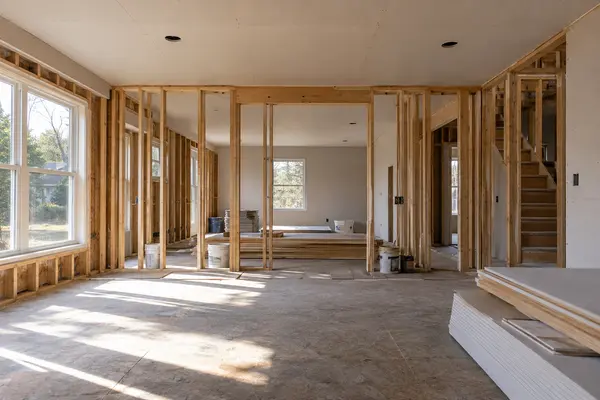
Submit this scenario- Purchase-with-rehab and refinance-with-rehab are separate intake paths
- Total requested exposure equals the initial advance plus requested rehab holdback
- LTC uses purchase price—or documented historical basis on a refinance—plus the full renovation budget; LTARV uses total exposure divided by ARV
- Current/before and after-repair bedrooms, bathrooms, square footage, scope, status, permits, manager, and remaining work are captured
- Experience, draw timing, liquidity, credit, ARV, and exact exit determine leverage
- First-time investors can be considered, usually at lower leverage and with stronger deal support

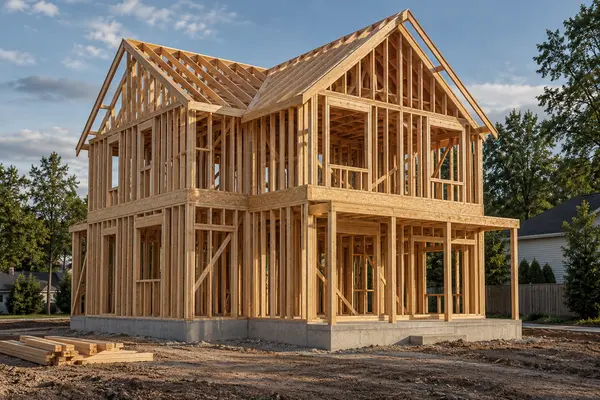
Ground-Up Construction
Land and vertical financing structured around the build and takeout.
Submit this scenario- Land owned free and clear, land with a payoff, under-contract land, and acquisition-plus-build are analyzed differently
- The planned completed property is captured as SFH or exact 2–8 units; manufactured, mixed-use, and multi-home projects receive specialty routing
- Interest may accrue only on funds disbursed; deferred structures may be available
- Plans, permits, hard and soft costs, contingency, experience, and contractor strength matter
- Draws are released by verified construction progress
- The sale or rental-refinance takeout is structured before the loan closes
Bridge underwriting map
No rehab ambiguity.
No mixed-up math.
Choose purchase or refinance first, then whether future renovation financing is part of the request. The intake and analyzer expose only the fields and calculations that belong to that exact structure.
No ARV or rehab holdback
Open this exact path Purchase · with rehabPurchase price + full renovation budgetInitial advance + holdback · LTC + LTARV
Open this exact path Refinance · no rehabHistorical basis + payoff + current as-is valueRate/term or cash-out · no ARV
Open this exact path Refinance · with rehabHistorical basis + spent + remaining workInitial advance + holdback · LTC + LTARV
Open this exact pathProperty fit at a glance
The program changes
with the collateral.
SFH, condo, townhouse, 2-, 3-, or 4-unit. Manufactured and non-standard collateral route separately.
Purchase, refinance, stabilization, rehab, mixed-use, rural, and other collateral are matched to the exit.
Land status, plans, project stage, building type, budget, draws, and takeout are reviewed together.
The intake labels the specialty path immediately so residential leverage is never presented as universal.
Illustrative ceilings reflect current lender and wholesale program access reviewed August 6, 2026; they are not terms available on every file. The highest leverage is generally reserved for stronger credit, experience, liquidity, property, market, DSCR, and exit profiles. Pricing changes and is provided only after scenario review. All structures require complete documentation, valuation, underwriting, and approval. This page is not an offer, APR, rate quote, rate lock, approval, or commitment to lend.
Specialty Investor Programs
Broader access.
Still a disciplined fit.
Brad's preferred capital network extends beyond the four core lanes. These categories reflect current scenario-based access—not a promise that every lender or structure fits every file.
Foreign National Investors
Select programs may consider eligible international investors purchasing or refinancing U.S. investment property. Documentation, entity, liquidity, reserves, property, and transaction requirements are confirmed scenario by scenario.
See the Foreign National pathShort- + Mid-Term Rentals
Airbnb, vacation-rental, and furnished mid-term scenarios may require a different rent analysis, market review, reserve profile, and lender fit than a standard long-term rental.
Submit a furnished rentalFirst-Time Investor
A first project can be considered on select programs, typically with leverage, liquidity, credit, contractor strength, and execution support evaluated together.
Review a first deal5–8 Unit + Mixed-Use
Small-balance multifamily and mixed-use properties receive a clearly labeled specialty review according to exact unit count, income, occupancy, use, experience, and exit—never standard 1–4-unit DSCR assumptions by default.
Route the propertyNon-Warrantable Condos + Condotels
Select investor programs can consider condominium projects that do not fit agency standards, including eligible condotel and short-term-rental uses, after project-level review.
Review the projectITIN + Alternative Documentation
Eligible investor scenarios may use ITIN, bank-statement, asset, or other alternative-documentation paths when the borrower, occupancy, purpose, and property fit current guidelines.
Review the borrower pathRural + Manufactured Properties
Rural acreage, manufactured housing, and other non-standard collateral require a deliberate valuation, marketability, foundation, title, and capital-source review.
Route a unique propertyProgram access varies by lender, borrower profile, citizenship or residency documentation where applicable, property, state, valuation, experience, liquidity, and current guidelines. Specialty-program references are not an offer, approval, rate quote, or representation that every structure is available in every jurisdiction.
The real product is judgment